
img
img

Urology Services – Diagnosis, Treatment & Surgery

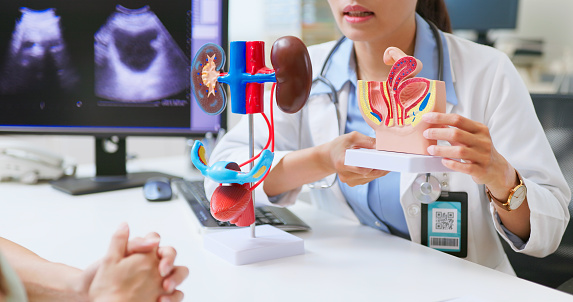
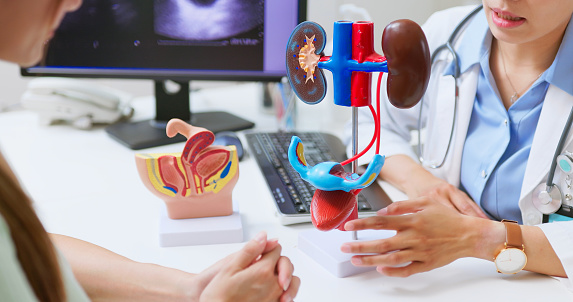
Our urology services provide care for conditions affecting the urinary tract and male reproductive system. We treat a wide range of urological issues including urinary tract infections (UTIs), kidney stones, prostate enlargement (BPH), bladder dysfunction, erectile dysfunction, and urologic cancers such as prostate cancer, bladder cancer, and kidney cancer. Our clinic offers diagnostic tools to accurately assess symptoms such as painful urination, frequent urges, or blood in urine. We provide both non-surgical and surgical treatments, including minimally invasive procedures like ureteroscopy, laser lithotripsy, and UroLift, as well as major surgeries such as prostatectomy, nephrectomy, and cystectomy.

Urology

The Urology Service provides clinical assessment and management for symptoms related to the urinary system and male reproductive system. Patients may seek consultation for one or more of the following concerns.

Urinary Symptoms

Patients experiencing urinary symptoms may be assessed for underlying urological conditions, including:

  • Urinary frequency
  • Urinary urgency
  • Difficulty starting or maintaining urine flow
  • Weak urine stream
  • Sense of incomplete bladder emptying
  • Nocturia (urination during bedtime)
  • Pain or discomfort during urination

Blood in Urine

Visible or microscopic blood in urine may be associated with various urological conditions. Assessment may include evaluation for:

  • Urinary tract abnormalities
  • Stone disease
  • Inflammatory or infectious causes
  • Prostate or bladder conditions

Pain or Discomfort

Urological assessment may be appropriate for:
  • Flank or lower back pain
  • Lower abdominal or pelvic discomfort
  • Pain related to kidney or urinary tract stones
  • Testicular or scrotal discomfort

Prostate‑Related Symptoms

Men with prostate‑related symptoms may seek assessment for:
  • Difficulty urinating
  • Frequent urination
  • Incomplete bladder emptyin
  • Blood in Urine
  • Elevated prostate‑specific antigen (PSA) levels

Kidney and Urinary Tract Stones

Symptoms associated with stone disease may include:
  • Acute or recurrent flank pain
  • Passing stone in urine
  • Blood in Urine
  • Nausea or vomiting
  • Urinary discomfort or obstruction

Urinary Tract Infections

Assessment and management are available for patients with symptoms such as:
  • Painful urination
  • Cloudy or foul‑smelling urine
  • Lower abdominal discomfort
  • Flank pain
  • Fever
  • Recurrent urinary infections

Bladder Control Concerns

The service evaluates symptoms including:
  • Urinary leakage
  • Urgency‑related incontinence
  • Stress‑related incontinence
  • Difficulty controlling bladder function

Male Reproductive and Fertility Concerns

Urological assessment may be provided for:
  • Testicular abnormalities
  • Male infertility concerns
  • Other disorders of the male reproductive system

Urological Cancers

Patients with symptoms or findings suggestive of urological malignancies may be referred for assessment, including:

  • Prostate cancer
  • Prostate cancer
  • Ureteric cancer
  • Kidney cancer
  • Testicular cancer
  • Penile cancer

We Offer Common Examinations

Stratified by symptoms and risk, common examinations may include:
  • Urinalysis (clues such as infection, hematuria, and protein)
  • Ultrasound (kidneys, prostate, scrotum, etc.)
  • Urine flow rate testing/urodynamic testing (assessing voiding function and bladder control)
  • Cystoscopy (Endoscopy) (especially for hematuria, recurrent infections, and suspected bladder disease)
  • Prostate biopsy (with MRI-ultrasound fusion guidance) (used to assess prostate cancer risk)
Patients may be referred for urological assessment or may attend consultation for evaluation of urological symptoms. Further investigations and management are determined based on clinical assessment.

Frequently Asked Questions

What is Urology? What diseases does it primarily treat?
Urology is a specialty department that diagnoses and treats the urinary system (kidneys, ureters, bladder, urethra) and the male reproductive system. Common diseases include kidney stones, urethral infections, prostate problems, and bladder diseases.

When should I see a urologist?
If you experience frequent urination, painful urination, hematuria, difficulty urinating, flank pain, or male sexual dysfunction, it is recommended to schedule an appointment with a urologist as soon as possible.

What examinations are typically performed in a urology clinic?
Common examinations include urinalysis, blood tests, ultrasound, uroflowmetry, and cystoscopy to determine the cause and develop a treatment plan.

What services do Hong Kong urologists primarily provide?
Hong Kong urologists provide diagnostic, medication, and surgical services, including urinary system examinations, minimally invasive surgery, prostate treatment, and men's health assessments.

Do women also need to see a urologist?
Women with urinary tract infections, urinary incontinence, or bladder problems also need to seek professional treatment from a urologist.

Is surgery always necessary for urological treatment?
Not necessarily. Many urinary problems can be resolved with medication or non-invasive treatments. Surgery is only considered when the condition is severe or cannot be improved.

How to choose a suitable Hong Kong urologist?
It is recommended to choose a urologist with specialist qualifications, extensive clinical experience, and a good reputation. Consider the clinic's location, facilities, and whether it offers comprehensive examination services.

Bariatric Surgery
Breast Surgery
Cardiology Service
Colorectal Surgery
Comprehensive Gynecology & Uro-Gynae Services
Gastroenterology and Hepatology Services
Surgery services
Head and Neck Surgery Services
Orthopedic and Trauma Surgery Services
Urology Services – Diagnosis, Treatment & Surgery
Hepatobiliary and Pancreatic Surgery