Subtotal $0.00

Rm 1706-1712, 17/F, Mira Place, Tower A, 132 Nathan Rd
09:00AM- 18:00PM
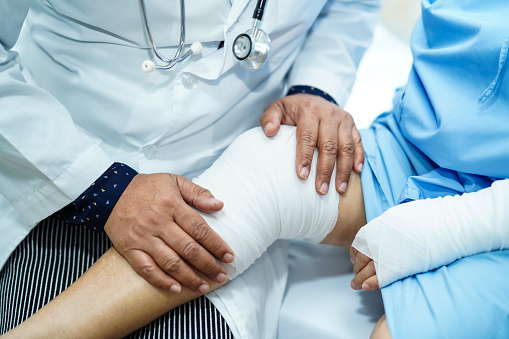
Orthopaedics is a medical specialty focused on the diagnosis, treatment, and rehabilitation of musculoskeletal disorders. With the increasing demand for sports injuries and degenerative orthopedic conditions, Hong Kong's orthopaedic services have developed into a highly specialized, technology-intensive, and competitive medical field.
Our orthopedic surgeons treat a wide range of conditions such as :
Fractures (e.g., vertebral fractures, pelvic fractures)
Osteoporosis (leading to pathological fractures)
Bone tumors
Knee degeneration (knee arthritis)
Hip problems (e.g., need for hip replacement)
Joint dislocations (shoulder, hip, etc.)
Lower back pain
Herniated discs
Scoliosis
Ligament tears (e.g., anterior cruciate ligament injury)
Meniscus tears
Tendinitis (e.g., tennis elbow, golfer's elbow)
Carpal tunnel syndrome
Wrist sprains
Foot and ankle injuries (e.g., ankle sprains)
Orthopedic specialists in Hong Kong provide personalized treatment plans based on the patient's condition, including non-surgical and surgical treatments. The following are common treatment methods:
Physical therapy: such as exercise rehabilitation, thermotherapy, shockwave therapy.
Pharmacological treatment: anti-inflammatory analgesics, muscle relaxants, and nutritional supplements (e.g., vitamin D).
Injectable treatments: Hyaluronic acid injections (for joint degeneration); Platelet-rich plasma (PRP) injections (to promote tissue repair).
* Arthroscopic minimally invasive surgery: Repairing meniscus and rotator cuff tears, clearing arthritis lesions.
* Ligament and tendon repair surgery: Including anterior cruciate ligament reconstruction.
* Fracture fixation surgery: Internal fixation using plates and screws.
* Joint replacement surgery: Hip, knee, and shoulder joint replacements.
* Minimally invasive spinal surgery: Addressing spinal stenosis, nerve compression, or herniated discs.
Sports injury specialists focus on sports-related musculoskeletal injuries, providing targeted treatment plans to help patients quickly regain their athletic ability.
* Knee ligament tears: Common in basketball and soccer players; treatment includes physical therapy or anterior cruciate ligament reconstruction surgery.
* Rotator cuff tears: Frequent in throwing sports; often repaired arthroscopically.
* Ankle sprains: Including ankle ligament injuries and Achilles tendon tears.
Non-surgical treatment: Physical therapy (such as exercise training, heat therapy), PRP injection (promotes tendon and ligament repair).
Minimally invasive surgery: Arthroscopic repair of ligaments and cartilage, minimally invasive bone grafting (shortens recovery time).
Orthopedics, sports injuries, etc., are usually diagnosed and treated by a professional orthopedic surgeon.
If you experience joint pain, limited mobility, fractures, ligament tears, sports injuries, or long-term musculoskeletal discomfort, it is recommended to seek diagnosis and treatment from an orthopedic surgeon or orthopedic specialist.
Hong Kong orthopedic surgeons typically handle a variety of musculoskeletal problems, including fractures, joint degeneration, spinal problems, shoulder or knee injuries, sports injuries, and occupational strain.
A sports injury is an injury sustained during sports or physical activity, such as sprains, strains, ligament tears, muscle injuries, or fractures. These types of problems typically require evaluation and treatment by a sports trauma specialist or orthopedic surgeon.
Sports injury treatment typically includes rest, ice application, physical therapy, rehabilitation training, and medication. In severe cases, orthopedic surgery or specialized sports medicine treatment may be necessary.
A sports trauma specialist is a branch of orthopedics that focuses on the diagnosis and treatment of sports-related injuries, such as anterior cruciate ligament tears, shoulder dislocations, or athlete rehabilitation.
Sports medicine is a specialty that combines orthopedics, rehabilitation medicine, and sports science. It primarily studies the prevention, treatment, and rehabilitation of sports injuries, helping patients regain mobility and safely return to sports.
If you experience persistent pain, swelling, limited mobility, or inability to bear weight after exercise, it is recommended to consult an orthopedic surgeon or sports trauma specialist as soon as possible to prevent the injury from worsening and to receive appropriate treatment.
 Bariatric SurgeryBreast SurgeryCardiology ServiceColorectal SurgeryComprehensive Gynecology & Uro-Gynae ServicesGastroenterology and Hepatology ServicesSurgery servicesHead and Neck Surgery ServicesOrthopedic and Trauma Surgery ServicesUrology Services – Diagnosis, Treatment & SurgeryHepatobiliary and Pancreatic SurgeryBariatric SurgeryBreast SurgeryCardiology ServiceColorectal SurgeryComprehensive Gynecology & Uro-Gynae ServicesGastroenterology and Hepatology ServicesSurgery servicesHead and Neck Surgery ServicesOrthopedic and Trauma Surgery ServicesUrology Services – Diagnosis, Treatment & SurgeryHepatobiliary and Pancreatic Surgery

Our centre has recently received reports that a fraudulent organization is randomly calling citizens and promoting genetic testing, and other services under the name "New Medical Center" in an attempt to deceive patients/public. Our center hereby solemnly declares:
" New Medical Center " has never and will never make phone sales and promotions to any patients/customers or non-customers. Do not trust any phone promotions under the name of " New Medical Center ".
This website is the only official website of " New Medical Center ". Please be aware and do not trust any messages sent through unofficial channels. If you have any doubts, please contact us.
Address :
Rm 1706-1712, 17/F, Mira Place, Tower A, 132 Nathan Rd
Official Contact Information :
Appointment or Inquire : 2398 1133
WhatsApp : 9734 8168
Email : enquiry@tnmc.com.hk
 Appointment
 2398 1133