Subtotal $0.00


Rm 1706-1712, 17/F, Mira Place, Tower A, 132 Nathan Rd
09:00AM- 18:00PM
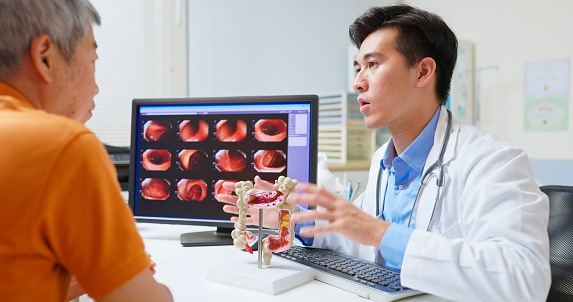
This medical center specializes in providing diagnostic, examination, and treatment services in gastroenterology and hepatology, covering diseases of the digestive system, including the stomach, intestines, liver, gallbladder, bile ducts, and pancreas. Supported by gastroenterologists, hepatologists, specialist nurses, and a multidisciplinary team, we provide patients with patient-centered, comprehensive, and accurate assessments and treatment plans. We also collaborate with other departments to develop appropriate treatment plans based on individual needs. Hong Kong's fast-paced lifestyle and irregular eating habits, coupled with high rates of hepatitis B and Helicobacter pylori infection, mean that some patients may not experience obvious symptoms initially, but untreated, these can lead to serious illnesses. Many common cancers in Hong Kong are also related to the digestive system. Through appropriate examination and treatment, many diseases can be detected early, even achieving preventative goals. Our professional team offers a range of advanced endoscopic examinations, including:
What is a gastroenterologist?
Gastroenterologists are specialists who assess, diagnose, and treat diseases of the digestive system, including the esophagus, stomach, small intestine, large intestine, liver, bile ducts, gallbladder, and pancreas.
What is the Department of Gastroenterology and Hepatology?
Gastroenterology and Hepatology is a medical specialty that focuses on diseases of the gastrointestinal tract and liver. Related areas may include indigestion, acid reflux, irritable bowel syndrome, inflammatory bowel disease, pancreatic and biliary diseases, and acute and chronic liver diseases.
What diseases do gastroenterologists typically treat?
Gastroenterologists commonly treat acid reflux, stomach pain, gastritis, gastric ulcers, indigestion, bloating, diarrhea, constipation, irritable bowel syndrome, inflammatory bowel disease, gastrointestinal bleeding, Helicobacter pylori infection, abnormal liver function, fatty liver, viral hepatitis, gallstones, bile duct problems, and pancreatic-related diseases. Gastroenterologists can also schedule endoscopy, colonoscopy, ultrasound, blood tests, or other imaging examinations as needed.
Do gastroenterologists perform gastroscopy or colonoscopy?
Gastroenterologists often schedule or perform endoscopic examinations such as gastroscopy and colonoscopy as needed to assess issues such as stomach pain, acid reflux, dysphagia, gastrointestinal bleeding, rectal bleeding, anemia, changes in bowel habits, or colorectal cancer screening. Whether an examination is necessary, pre-examination preparation, and anesthesia arrangements should be determined by the doctor based on symptoms, age, risk factors, and past medical history.
What should I prepare before seeing a gastroenterologist or hepatologist?
Before seeking medical attention, please prepare recent blood test reports, liver function reports, hepatitis B/C test results, ultrasound or CT reports, previous gastroscopy or colonoscopy reports, and a list of medications and health supplements you are currently taking. It is also advisable to record the time of symptom onset, location of pain, dietary changes, changes in bowel movements, weight changes, and whether you have fever, jaundice, vomiting, or bleeding, to help the doctor make a diagnosis.
How to choose a gastroenterologist or hepatologist?
When choosing a gastroenterologist or hepatologist, pay attention to whether the doctor has the relevant specialist qualifications, experience in treating related diseases, whether the clinic provides appropriate examination arrangements, whether the endoscopic or imaging examination procedures are clear, whether the fees are transparent, and whether there is adequate follow-up. If surgery is required due to gallstones, cholecystitis, or hepatobiliary and pancreatic tumors, you can also be referred to hepatobiliary and pancreatic surgery or general surgery for further evaluation as advised by your doctor.
 Bariatric SurgeryBreast SurgeryCardiology ServiceColorectal SurgeryComprehensive Gynecology & Uro-Gynae ServicesGastroenterology and Hepatology ServicesSurgery servicesHead and Neck Surgery ServicesOrthopedic and Trauma Surgery ServicesUrology Services – Diagnosis, Treatment & SurgeryHepatobiliary and Pancreatic SurgeryBariatric SurgeryBreast SurgeryCardiology ServiceColorectal SurgeryComprehensive Gynecology & Uro-Gynae ServicesGastroenterology and Hepatology ServicesSurgery servicesHead and Neck Surgery ServicesOrthopedic and Trauma Surgery ServicesUrology Services – Diagnosis, Treatment & SurgeryHepatobiliary and Pancreatic Surgery
Our centre has recently received reports that a fraudulent organization is randomly calling citizens and promoting genetic testing, and other services under the name "New Medical Center" in an attempt to deceive patients/public. Our center hereby solemnly declares:
" New Medical Center " has never and will never make phone sales and promotions to any patients/customers or non-customers. Do not trust any phone promotions under the name of " New Medical Center ".
This website is the only official website of " New Medical Center ". Please be aware and do not trust any messages sent through unofficial channels. If you have any doubts, please contact us.
Address :
Rm 1706-1712, 17/F, Mira Place, Tower A, 132 Nathan Rd
Official Contact Information :
Appointment or Inquire : 2398 1133
WhatsApp : 9734 8168
Email : enquiry@tnmc.com.hk
 Appointment
 2398 1133