Subtotal $0.00


Rm 1706-1712, 17/F, Mira Place, Tower A, 132 Nathan Rd
09:00AM- 18:00PM

New Medical Center provides specialist assessment for conditions affecting the liver, gallbladder, bile ducts and pancreas. A hepatobiliary surgeon manages diseases within this closely connected system, while a pancreatic surgeon focuses on conditions that may require pancreatic surgery. At TNMC in Tsim Sha Tsui, patients may seek consultation for symptoms, abnormal blood tests, findings on ultrasound, CT or MRI, a diagnosed hepatobiliary or pancreatic condition, or a surgical second opinion.
Hepatobiliary and pancreatic diseases sometimes present with obvious symptoms, while others are asymptomatic. Common symptoms include right abdominal pain, upper abdominal pain, jaundice, and fever, often related to bile duct/pancreatic duct obstruction caused by gallstones or tumors. It's also important to note that some liver diseases can be asymptomatic; therefore, high-risk individuals are advised to have regular checkups.
When you are looking for a "hepatobiliary specialist" or a "pancreatic specialist in Hong Kong," we suggest you use these 5 questions to screen and prepare: What is your most certain diagnosis at present? (Gallstones? Liver cysts? Pancreatic cysts? Tumor suspected?)
The Hepatobiliary and pancreatic Surgery Service provides clinical assessment and management of conditions affecting the liver, gallbladder, bile ducts, and pancreas. Patients may attend for evaluation of symptoms, investigation findings, or follow‑up of hepatobiliary and pancreatic conditions.
Patients may seek assessment for gallbladder‑related symptoms such as:
Assessment may be provided for benign or malignant conditions involving the hepatobiliary and pancreatic system, including:
Where clinically appropriate, surgical options may be considered as part of multidisciplinary management following evaluation.
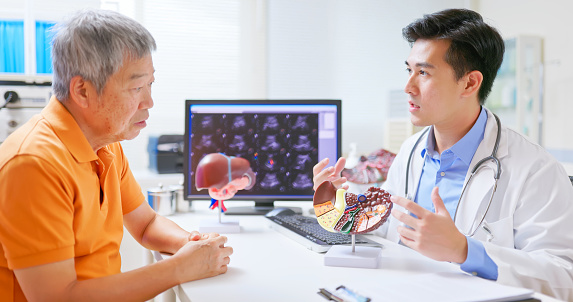
What is hepatobiliary surgery?
Hepatobiliary and pancreatic surgery is a specialized surgical specialty that treats diseases of the liver, gallbladder, bile ducts, and pancreas. It primarily handles cases requiring surgery or advanced treatment, such as tumors, gallstones, and severe inflammation.
What conditions does a hepatobiliary surgeon treat?
A hepatobiliary surgeon may assess gallstones, cholecystitis, bile duct stones or strictures, cholangitis, liver cysts or tumours, gallbladder and bile duct cancer, pancreatic cysts, pancreatitis and pancreatic tumours. Not every condition requires an operation; endoscopy, image-guided treatment, medicine or surveillance may be more appropriate.
What does a pancreatic surgeon do?
A pancreatic surgeon evaluates pancreatic diseases that may require an operation, including selected cysts, benign or malignant tumours and complications of pancreatitis. The surgeon reviews imaging, anatomy, tumour extent, overall health and other treatment options, usually within a multidisciplinary pathway.
Does every pancreatic cyst need surgery?
No. Many pancreatic cysts can be monitored. Surgery may be considered when the cyst type, symptoms, growth, duct changes, nodules, test results or other high-risk features create sufficient concern. Surveillance and treatment should be individualised rather than based on size alone.
How should I choose a hepatobiliary surgeon in Hong Kong?
Check the doctor's specialist registration and relevant experience, particularly with the diagnosis and proposed operation. Also consider access to radiology, pathology, oncology, anaesthesia, intensive care and postoperative support. Confirm where tests and surgery occur and how the team manages urgent concerns and complications.
 Bariatric SurgeryBreast SurgeryCardiology ServiceColorectal SurgeryComprehensive Gynecology & Uro-Gynae ServicesGastroenterology and Hepatology ServicesSurgery servicesHead and Neck Surgery ServicesOrthopedic and Trauma Surgery ServicesUrology Services – Diagnosis, Treatment & SurgeryHepatobiliary and Pancreatic SurgeryBariatric SurgeryBreast SurgeryCardiology ServiceColorectal SurgeryComprehensive Gynecology & Uro-Gynae ServicesGastroenterology and Hepatology ServicesSurgery servicesHead and Neck Surgery ServicesOrthopedic and Trauma Surgery ServicesUrology Services – Diagnosis, Treatment & SurgeryHepatobiliary and Pancreatic Surgery

Our centre has recently received reports that a fraudulent organization is randomly calling citizens and promoting genetic testing, and other services under the name "New Medical Center" in an attempt to deceive patients/public. Our center hereby solemnly declares:
" New Medical Center " has never and will never make phone sales and promotions to any patients/customers or non-customers. Do not trust any phone promotions under the name of " New Medical Center ".
This website is the only official website of " New Medical Center ". Please be aware and do not trust any messages sent through unofficial channels. If you have any doubts, please contact us.
Address :
Rm 1706-1712, 17/F, Mira Place, Tower A, 132 Nathan Rd
Official Contact Information :
Appointment or Inquire : 2398 1133
WhatsApp : 9734 8168
Email : enquiry@tnmc.com.hk
 Appointment
 2398 1133